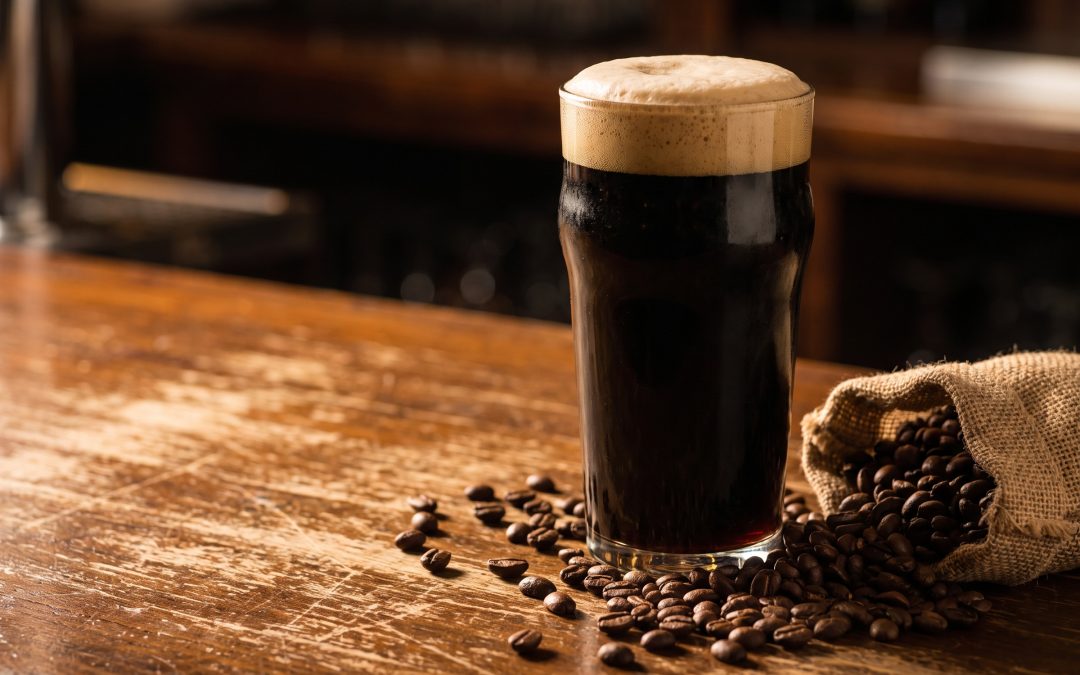
Coffee and beer share a lot of the same flavors: roast, chocolate, caramel, and a little bitterness. That’s why a good coffee stout tastes so natural. Coffee isn’t just for dark beers, though. It works in brown ales, blondes, cream ales, and even pale beers if you pick the right beans and add them at the right time.
The trick is getting the coffee’s aroma and flavor into the beer without dragging along harsh, burnt bitterness. Here’s how to do that.
Start with coffee you actually like
This sounds obvious, but it’s the most common mistake. Brew a cup of the beans before you commit them to five gallons of beer. If you wouldn’t drink it as coffee, you won’t like it in your beer.
- Buy fresh. Freshly roasted whole beans from a local roaster beat a can of pre-ground coffee every time. Coffee aroma fades quickly once it’s ground.
- Match the roast to the beer. Dark and medium-dark roasts bring chocolate and roast that blend into stouts and porters. Medium roasts with nutty or caramel notes suit brown ales and ambers. Lighter, fruitier coffees, like many Ethiopian and Kenyan beans, can shine in a blonde or cream ale where there’s no dark malt to hide behind.
- Watch the oils. Coffee oils can hurt head retention and mouthfeel. Adding coffee late and in moderate amounts keeps this under control.
When to add coffee
The American Homebrewers Association breaks it down into two basic approaches: adding coffee before fermentation (the hot side) or after it (the cold side). Most brewers prefer the cold side because it gives you more aroma and more control.
One rule applies either way: don’t boil the coffee. Boiling extracts harsh, astringent bitterness and drives off the aroma you’re after.
Hot side: steep at flameout
Add coarsely ground coffee to the kettle right after the boil ends and pull it out after a short steep. The AHA’s coffee beer recipe uses 2 ounces of coarse ground coffee steeped for just 2 minutes at knockout. This gives a gentle, integrated coffee flavor, but some of the aroma will be lost during fermentation.
Cold side: the methods most brewers use
These all go in after fermentation is done, usually a day or two before you bottle or keg.
| Method | How it works | Starting amount (5 gallons) |
|---|---|---|
| Dry beaning | Whole or lightly cracked beans in a sanitized bag, added straight to the beer, like dry hopping | 2 to 5 oz for 12 to 48 hours |
| Cold brew | Coarse ground coffee steeped in cold water, strained, then added to taste | About 4 oz of coffee in 1.2 liters of water |
| Espresso | Freshly pulled shots added at packaging | 8 to 16 shots |
Dry beaning is the simplest and gives the most aroma. In a talk at Homebrew Con, brewers from Modern Times recommended 2 to 5 ounces per 5 gallons for 12 to 48 hours before packaging, and noted that whole beans extract more slowly, which gives you a wider window to get it right. Taste daily and pull the beans when it’s where you want it. Leaving beans in too long can bring out green, vegetal, or acrid flavors.
Cold brew gives you the most control over flavor because you add it a little at a time. MoreBeer suggests about 1 cup of ground coffee for every 5 cups of cold water, steeped for 12 to 24 hours. In a side-by-side test, Scott Janish found cold brew gave stronger coffee flavor, while dry beaning gave a bigger coffee aroma. Some brewers combine the two.
Espresso is fast and consistent. In Brew Your Own, one brewer notes many recipes call for 8 to 16 shots per 5 gallons and uses 10 when he wants coffee as part of the profile rather than the star.
Do a bench trial before you dose
Cold brew and espresso let you dial in the flavor before you commit the whole batch. Pour four small, equal samples of beer, add a different measured amount of coffee to each, and taste them side by side. Pick your favorite, then scale that ratio up to the full batch. It takes ten minutes and saves a lot of disappointment.
Keep it clean
Finished beer is fairly resistant to spoilage thanks to its alcohol and low pH, but you’re still adding something that hasn’t been boiled.
- Sanitize the bag, the container you steep cold brew in, and anything that touches the beer. Our guide to homebrew sanitation covers the basics.
- Make cold brew in the fridge, not on the counter, and use it within a day or two.
- Add coffee only after fermentation is completely finished, so the beer is at its most stable.
Beer styles that work with coffee
- Stouts and porters. The classic match. Roasted malt and coffee blend together naturally. Founders Breakfast Stout, brewed with Sumatra and Kona coffee, is a well-known example.
- Brown ales and ambers. A medium roast adds a nutty, caramel layer without overwhelming the malt.
- Blonde ales and cream ales. Coffee blondes have become popular for good reason. With a light malt base, the coffee’s fruity and floral notes come through clearly. Go easy on the dose here.
- Imperial stouts and barrel-aged beers. Big beers can handle bigger coffee additions and pair well with vanilla, cacao nibs, and other spices and flavorings.
Recipe tips for coffee beers
- Ease up on bittering hops. Coffee adds its own bitterness, so many brewers trim their IBUs a little compared to a non-coffee version of the same beer.
- Keep the base beer simple. A clean, well-built stout or blonde lets the coffee shine. Too many specialty malts and the flavors start to fight.
- Consider body. A bit of oats or a higher mash temperature gives coffee beers a fuller, smoother mouthfeel.
Troubleshooting
- Harsh or burnt bitterness: The coffee was too hot, too finely ground, or in contact too long. Switch to cold side additions and shorten contact time.
- Green pepper or grassy notes: Usually too long on whole beans, or a coffee that’s too lightly roasted for the style. Pull beans sooner.
- Not enough coffee: Add cold brew in small amounts at packaging until it tastes right.
- Poor head retention: Cut back on the amount of coffee, and avoid adding grounds on the hot side.
The bottom line
Pick fresh coffee you enjoy, keep it away from boiling wort, and add it after fermentation where you can taste and adjust. Start with 2 to 4 ounces per 5 gallons, give it a day or two, and trust your palate. For more ideas and recipes, the AHA’s guide to coffee beer is a great next stop. Want to try a similar technique with hops? Our guide to dry hopping works almost the same way.
Author: Stu
Meet Brew.info's founder and head brewer, Stu. He began homebrewing as a hobby 13 years ago and has now made it a full-time career. He gives his advice, recipes, and reviews of equipment on Brew.info in an effort to encourage others to experience the satisfaction of homebrewing beer. You can find him trying out new breweries and beers, or unwinding at home with a pint of his most recent creation, when he isn't busy brewing or writing about beer. Cheers!